
KNOCKOUT
2026 Symptom Management Winner
Knockout passively monitors six biometric streams — heart rate, HRV, sleep, temperature, weather, and medication blood levels — against a patient's personal baseline, not population norms. A one-tap capture lets patients flag symptomatic moments while a Bayesian model learns their unique pre-episode pattern over time. Everything rolls into a structured physician report that turns months of invisible data into a 5-minute clinical review.
PROJECT SUMMARY
OVERVIEW
Knockout is a passive monitoring and pattern-learning platform designed for Triadin Knockout Syndrome (TKOS) and related cardiac channelopathies. The system captures continuous physiological data to identify arrhythmia patterns that standard ICDs miss.
INSPIRATION
TKOS is an extremely rare inherited arrhythmia syndrome affecting only 21 documented patients globally. One team member, Dishita Agarwal, has survived 6 cardiac arrests. The project addresses three critical gaps:
The ICD Gap: ICDs only log events above detection thresholds (~190 bpm), missing subclinical arrhythmias between 70–190 bpm that indicate disease progression.
The Visit Gap: 2,160 waking hours occur between quarterly appointments with zero clinical observation.
The 'Why' Gap: No system captures compound contextual factors (medication levels + heat + poor sleep) that trigger episodes.
WHAT IT DOES
Knockout integrates six continuous data streams anchored to personal baselines: heart rate and heart rate variability (Apple Watch), sleep architecture, wrist temperature, local weather conditions, and medication timing.
The platform uses a pharmacokinetic model overlaying real-time medication blood-level curves onto heart rate variability. A one-tap Apple Watch feature timestamps symptoms while auto-capturing 24 hours of surrounding context. A Bayesian learning loop refines personal pre-episode models after 20–30 labeled events, identifying which data combinations precede individual episodes.
TECHNICAL ARCHITECTURE
HRV Heuristic Engine
Converts Apple Watch BPM readings to RR intervals, computing six HRV metrics (CV, RMSSD, pNN20, SD1/SD2, Sample Entropy, LF/HF ratio) combined into a weighted ensemble confidence score.
Deep Learning Model
ResNet-30 1D architecture with 2M parameters (2.2 MB on-device). Takes 100-sample BPM windows as input, processes through a Conv1d stem (k=7, s=2) with batch normalization and max pooling, followed by three progressively deeper residual blocks (32→96→192 channels). Output is global average pooling to 2-class classification (arrhythmia vs. healthy).
Muon Optimizer
Performs spectral descent using SVD on gradient momentum matrices, enabling edge deployment. Newton-Schulz iteration approximates the polar factor in 5 iterations, achieving ~2M parameter compression without sacrificing clinical accuracy.
Bayesian Learning Loop
Patient confirmations or denials of flagged events feed directly back into model priors, allowing continuous refinement specific to individual physiology.
CHALLENGES
Data Scarcity: With only 21 global patients, population-level ML proved infeasible; solution pivoted to individualized baselines.
Pediatric Signal Noise: HRV and temperature naturally fluctuate with activity, emotion, and growth; normalization against personal rolling baselines prevented false positives.
Psychological Safety: Balancing actionable alerts against anxiety-inducing notifications for already-restricted pediatric patients.
Edge Constraints: Compressing clinically useful deep learning models to 2.2 MB for on-device Apple Watch inference required architectural optimization.
ACCOMPLISHMENTS
First system integrating pharmacokinetic modeling with wearable data for cardiac channelopathies.
2.2 MB on-device model enabling arrhythmia classification without server latency.
Bayesian personalization improving accuracy continuously over individual patient lifetimes.
Structured physician report generation compressing longitudinal data into 5-minute reviews.
Transition from reactive emergency response to continuous physiologic awareness.
KEY INSIGHT
"Arrhythmias in TKOS are not random. They are threshold phenomena driven by convergence of sympathetic load, intracellular calcium instability, and pharmacologic protection."
TECH STACK
Next.js, React, TypeScript, Python, FastAPI, PyTorch, SQLite, Peewee ORM, WebSockets, Recharts, Deep Learning, XAI, Grok
TEAM
Dat Tran EHR input layer, physician report generation, UI/UX
Dishita Agarwal Subject matter expertise, data architecture, patient perspective
Claudia Fernandez Perez Project ideation, data gathering and structuring
Youwei (Anthony) Zhen —
Heewon Seo —
WHAT'S NEXT
Validate individualized trough clustering patterns with Mayo Clinic TKOS registry.
Extend architecture to other cardiac channelopathies (CPVT, LQTS, Brugada syndrome).
Build first structured real-world evidence base for rare cardiac conditions.
MEET THE TEAM
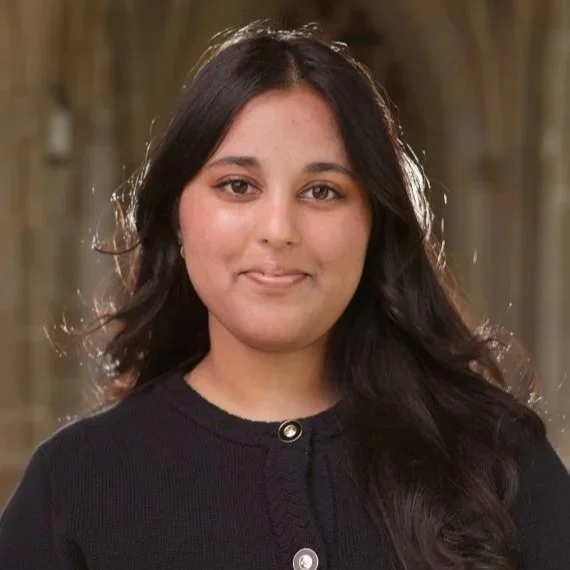
Dishita Agrawal
Duke University
Undergraduate (2028)
Biology and Public Policy
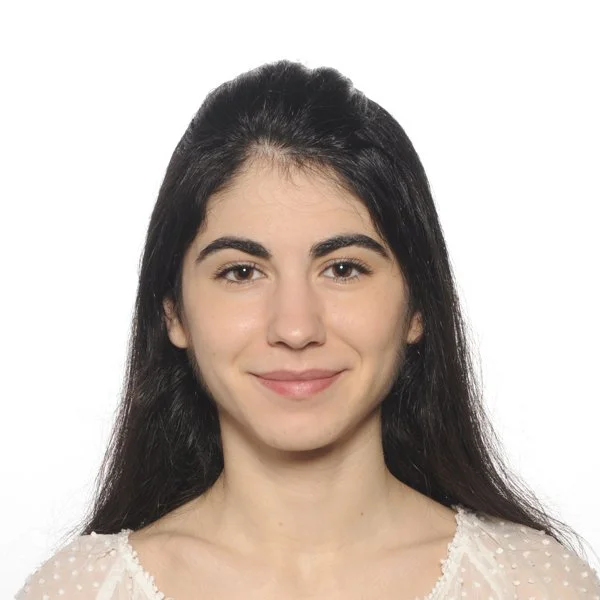
Claudia Fernandez Perez
Georgetown University
Graduate (2028)
Medicine
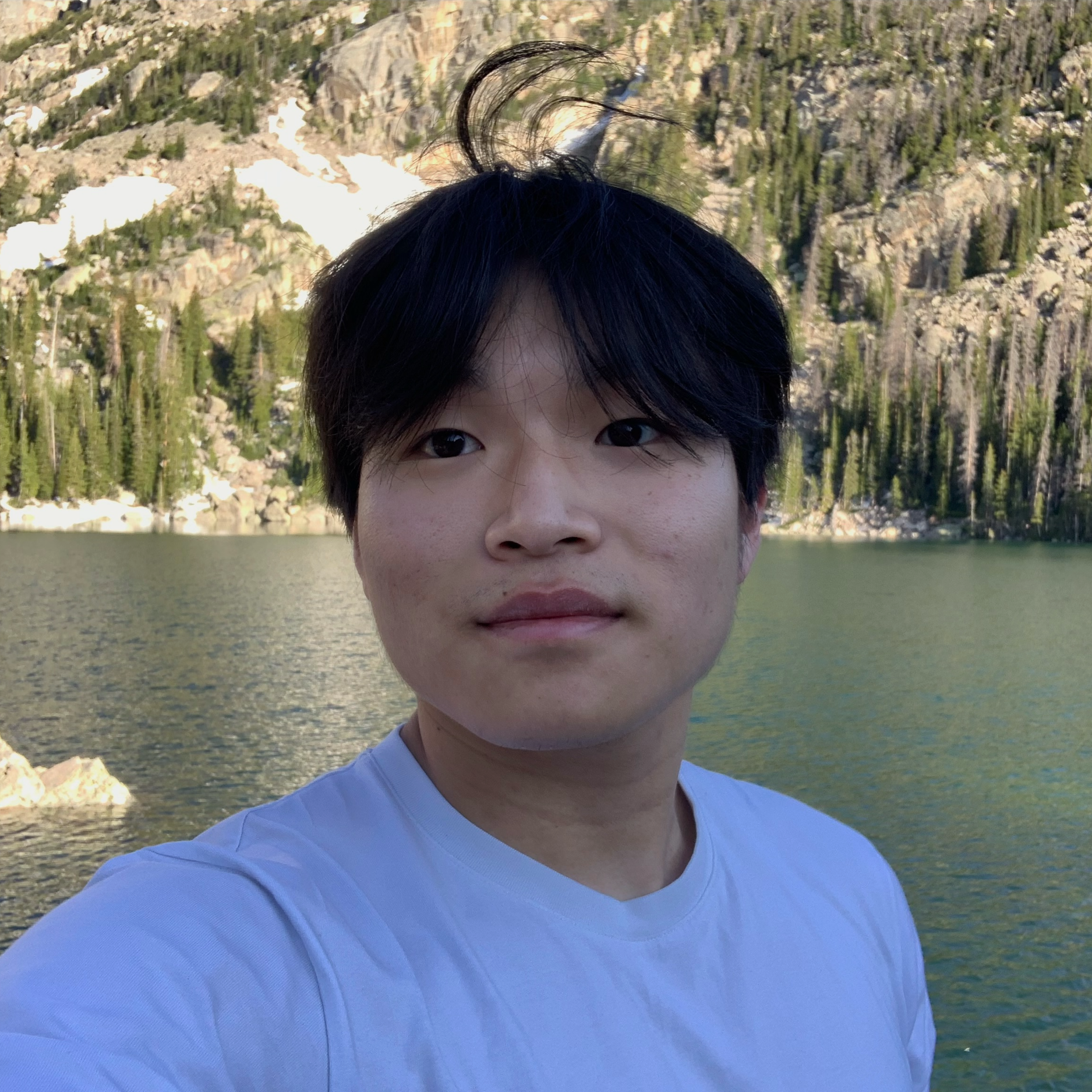
Heewon Seo
Brown University
Undergraduate (2028)
Computer Science and Neuro
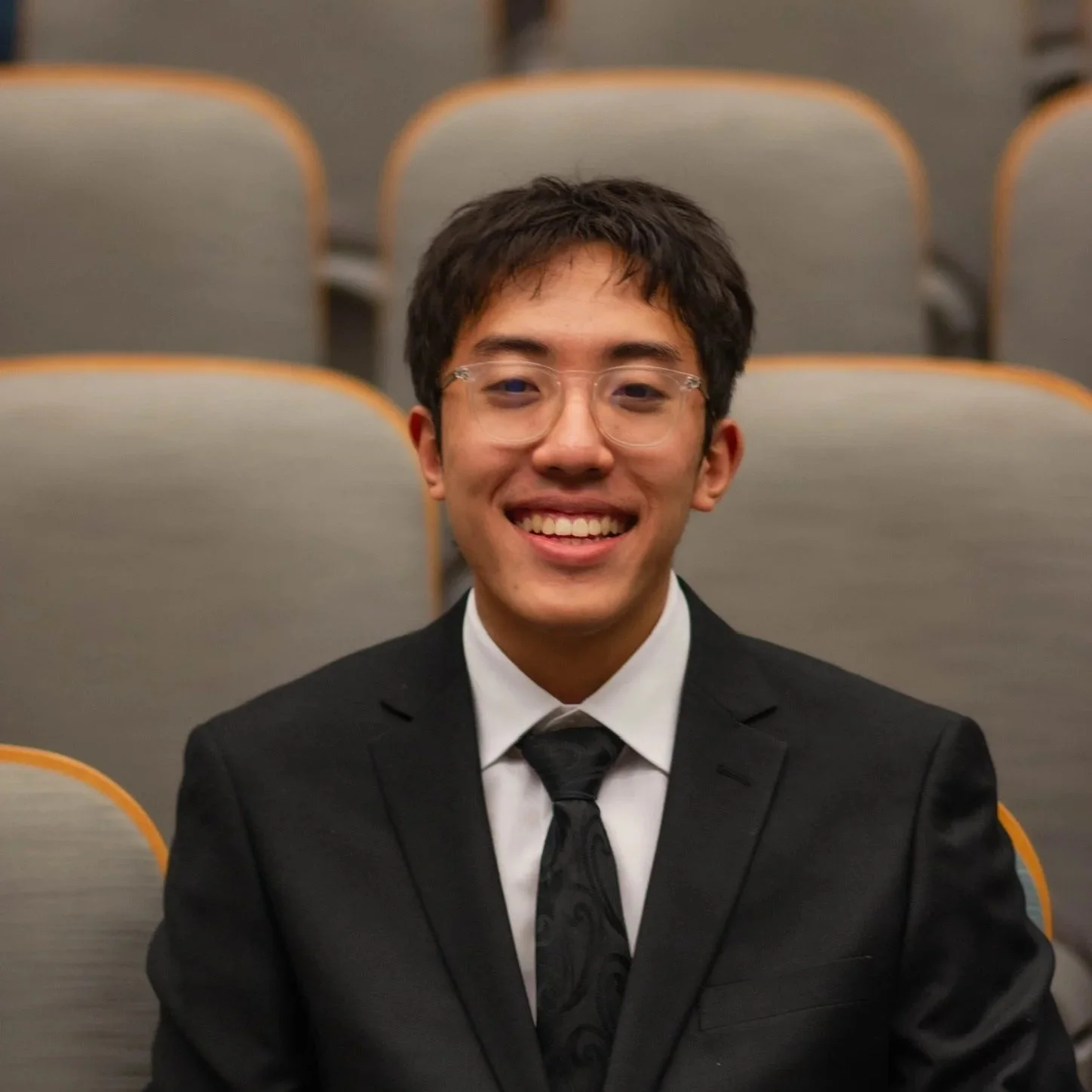
Dat Tran
MIT
Undergraduate (2028)
Computer Science
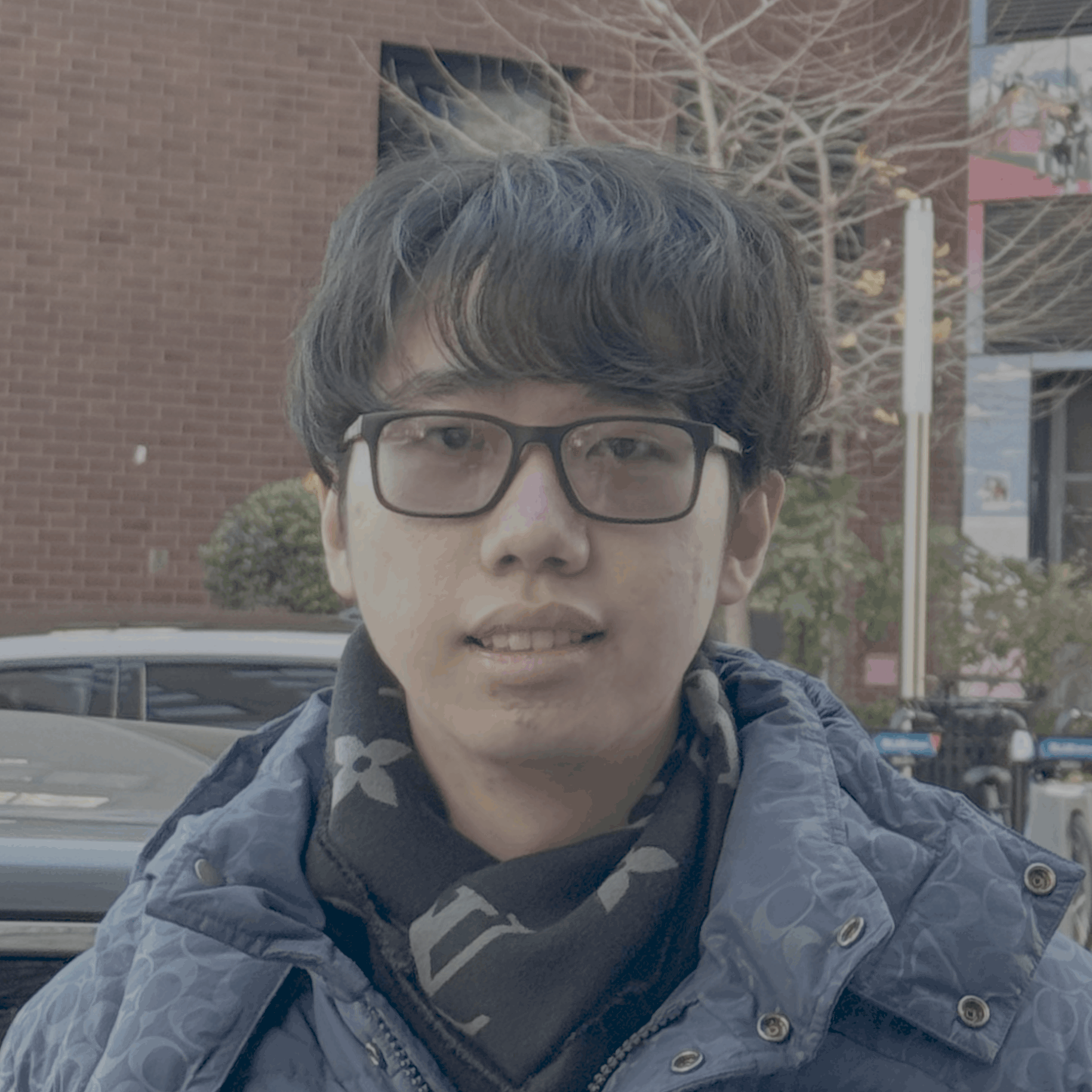
Youwei Zhen
Brown University
Undergraduate (2028)
Computer Science and Math