
Written by Kritika Singh
My name is Kritika, and I’m a medical student at Rutgers Robert Wood Johnson Medical School. I’m passionate about medical innovation and rare disease advocacy, so HackRare in February 2026 was a great opportunity to bring my interests together!
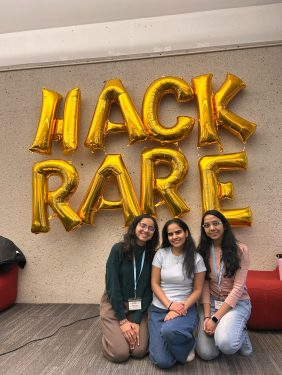
I came into the hackathon with plenty of ideas and possibilities, but left having learned and experienced things I never expected. One of the most meaningful parts of the experience was hearing from Dr. Hron and a patient about their experience with recurrent respiratory papillomatosis (RRP), a rare disease that can have a significant impact on patients' lives. We learned about the burden of repeated surgeries, the gaps in evidence surrounding systemic therapies, and the broader impact of the disease on patients and their families.
Through this experience, I found the opportunity to take what we learned directly from a clinician's experience and a patient's story and translate it into something tangible. Our team explored how AI could help address some of the evidence gaps in RRP. We started by reviewing 10-15 published case reports to better understand the disease and its current management, including surgical and systemic treatment approaches. We then used our clinical input to develop a much larger AI-generated dataset of thousands of patient profiles, allowing us to explore a broader range of patient characteristics and treatment scenarios than the existing literature alone could offer.
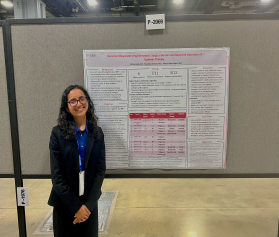
For me, this project highlighted the exciting potential of AI to help address some of the unique challenges in rare disease research, where small patient populations often limit the evidence available to guide clinical decisions. It was rewarding to start with a very real problem experienced by patients and clinicians and explore how technology might help make the limited evidence we have more useful. One of the biggest highlights was seeing our work continue beyond the hackathon. We developed it into a structured review examining surgical burden and systemic therapy outcomes in RRP, which was accepted for presentation at Infectious Disease Week (IDWeek) 2026, a national conference. It was exciting to have the opportunity to bring greater awareness of the clinical challenges of a rare disease to a broader medical audience. I'm grateful to HackRare for creating an environment where students can connect with patients, clinicians, researchers, and industry leaders, and work together to turn our ideas into action. I left not only with wonderful teammates and new perspectives, but also with a project that continued to grow beyond that weekend.
